Finest Practices for Maintenance and Applications in the Aluminum Factory Market: An In-depth Summary
Keeping equipment in the aluminum factory field is important for operational success. Routine assessments and predictive upkeep can greatly lower downtime and boost security. Advanced innovations, such as IoT and information analytics, play an essential role in this procedure. Recognizing the complete extent of best techniques calls for a more detailed assessment of details techniques and their influences on performance. What are the important elements that add to a trusted upkeep structure?
Importance of Regular Upkeep in Aluminum Foundries
Regular upkeep plays a necessary role in the effective procedure of light weight aluminum foundries. By systematically servicing and inspecting devices, shops assure peak performance and long life of machinery. Regular upkeep tasks, such as component, cleansing, and lubrication replacement, assistance avoid unexpected breakdowns that can result in pricey downtime.
Regular checks enhance work environment safety by identifying possible hazards before they escalate into significant problems. Tools that is well-maintained runs better, bring about enhanced item high quality and reduced waste. Furthermore, adherence to a structured maintenance schedule can sustain conformity with market guidelines, thereby cultivating a reputation for dependability and high quality within the marketplace.
Carrying Out Predictive Upkeep Methods
Anticipating upkeep techniques take the concepts of regular maintenance a step better by leveraging data analytics and progressed surveillance innovations. In light weight aluminum factories, these methods allow operators to anticipate tools failures before they take place, consequently reducing unplanned downtimes and maximizing operational effectiveness. By utilizing sensing units and IoT gadgets, real-time information can be gathered on maker efficiency, enabling for the recognition of potential problems via predictive analytics.
Optimizing Melting and Putting Processes
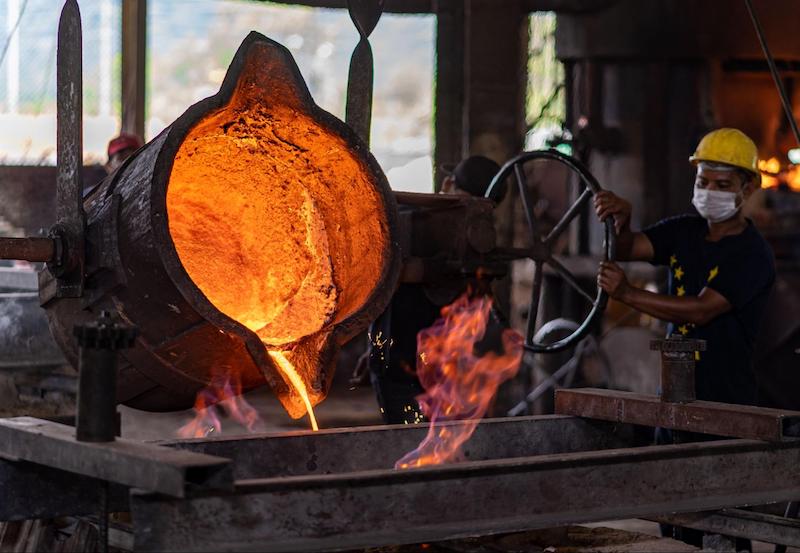
Efficient melting and pouring processes are vital for optimizing efficiency and assuring the top quality of light weight aluminum spreadings. To improve these processes, shops ought to concentrate on accurate temperature level control throughout melting, as this directly affects the metallurgical homes of the alloy. Using advanced melting innovations, such as induction and resistance melting, can enhance energy performance and lower cycle times.
Carrying out automated pouring systems reduces human mistake and keeps consistency in the pouring process. Proper mold and mildew prep work, including ample preheating, is necessary to prevent thermal shock and enhance mold longevity.
Enhancing Security Procedures in Factory Procedures
Prioritizing safety and security in light weight aluminum factory procedures is important for shielding employees and assuring an effective environment. Reliable safety and security protocols include routine training sessions that emphasize the value of individual safety equipment (PPE), such as headgears, handwear covers, and goggles. Additionally, the establishment of clear emergency procedures is essential in taking care of prospective mishaps.
Normal assessments of equipment and equipment help identify threats before they escalate right into significant concerns. Applying a robust coverage system motivates workers to interact safety issues without anxiety of consequence. In addition, cultivating a society of security assurances that every worker recognizes their function in maintaining a safe and secure work environment.
On top of that, ensuring proper air check this flow and surveillance air high quality can minimize exposure to unsafe fumes and dirt. By reinforcing these methods, aluminum factories can considerably lower the risk of mishaps and develop a setting where workers feel valued and secure, inevitably boosting general functional effectiveness.
Leveraging Modern Technology for Improved Effectiveness
Using innovative technology has actually come to be significantly vital for aluminum foundries aiming to boost functional effectiveness. Automation and robotics play a vital function in improving production processes, lowering labor prices, and minimizing human error. Implementing real-time monitoring systems permits the continuous analysis of devices performance, enabling aggressive maintenance and minimizing downtime.
Additionally, the combination of data analytics supplies important insights into functional operations, helping with much better decision-making and source allocation. As an example, predictive analytics can recognize prospective failings before they occur, additional maximizing maintenance schedules.
In addition, taking on advanced melting and casting technologies boosts power efficiency and material yield, which are basic for sustainability in the sector. By welcoming these technological advancements, aluminum factories can not only boost performance but likewise keep a competitive side in an increasingly requiring market (aluminum casting company). Eventually, leveraging innovation is essential in driving innovation and enhancing total operational effectiveness within the sector
Regularly Asked Inquiries
What Are Common Indications of Tools Wear in Aluminum Foundries?
Common signs of tools wear in aluminum factories include unusual sounds, lowered efficiency, enhanced vibration, overheating elements, leaks, and noticeable deterioration. These signs typically indicate the need for upkeep or potential substitute to prevent costly downtime.
How Can I Train Staff for Effective Upkeep Practices?
To educate personnel for effective upkeep practices, one can execute hands-on Go Here workshops, establish comprehensive guidebooks, motivate mentorship programs, and carry out regular analyses to examine abilities and understanding, making sure all employees understand upkeep procedures extensively.
What Are the Ecological Rules for Aluminum Foundries?
Aluminum shops undergo different ecological policies, consisting of discharges control, waste monitoring, and resource conservation. Compliance warranties very little environmental effect, promoting sustainability while sticking to regional, nationwide, and global environmental requirements and guidelines.
Exactly How Do Foundries Manage Waste and Recycling of Light weight aluminum?
Shops manage waste and recycling by applying systems for accumulating scrap light weight aluminum, using sophisticated separation modern technologies, and working together with reusing facilities to guarantee efficient recovery procedures, thus lessening ecological impact and advertising sustainability within the sector.
What Are the Costs Connected With Implementing Advanced Technologies?
Executing sophisticated technologies in factories incurs substantial expenses, including first investment, training, and maintenance costs. However, the long-lasting advantages, such as raised effectiveness and decreased waste, usually validate these expenditures, causing improved profitability.
Routine maintenance plays an important function in the efficient procedure of light weight aluminum foundries. In light weight aluminum factories, these methods allow operators to prepare for devices failures prior to they occur, consequently decreasing unplanned downtimes and maximizing functional efficiency. Utilizing advanced modern technology has actually ended up YOURURL.com being progressively vital for aluminum shops intending to enhance operational effectiveness. Usual signs of devices wear in aluminum shops consist of uncommon sounds, reduced efficiency, increased resonance, overheating parts, leakages, and visible corrosion. Executing advanced technologies in shops incurs significant prices, including first financial investment, training, and upkeep expenses.